
A compound bow sight mounts to the riser and gives you aiming pins set for known distances. Pick multi-pin if most of your shots land inside 30 yards, either style from 30 to 50, and a single-pin slider past 50. Pin diameter matters more than pin count: a .019 pin is bright and forgiving and suits about 80% of hunters, while a .010 pin covers roughly a third as much of the target but goes dim at dusk. A capable sight starts near $125; the jump to $400 buys adjustability, not accuracy you can necessarily shoot. Whatever you buy, it only works with a correctly set peep.
Fletchwise guides are independent and hype-free – we are not sponsored by any archery brand.
What a Bow Sight Actually Does
The sight is the front half of an aiming system. It gives you a reference point at a known distance; the peep sight in your string gives you the rear reference that makes that point repeatable. Without a peep, a sight only tells you where you pointed – not whether your head was in the same place as last time.
That split matters when you are deciding what to spend. A sight cannot fix an inconsistent anchor, a badly timed rest, or a peep set at the wrong height. It can only show you, precisely, where you aimed.
Multi-Pin vs Single-Pin
The honest way to settle this is not hunting versus target – it is the distance at which you actually take shots.
| Your typical shot | Best choice | Why |
|---|---|---|
| Inside 30 yards | Multi-pin | No time to dial; pin gaps are small enough that gap-aiming is easy |
| 30-50 yards | Either | Comes down to whether your shots are rushed or deliberate |
| Past 50 yards | Single-pin or slider | Fixed pins stack up and a big pin buries the target at distance |
| Both, regularly | Sliding multi-pin | Fixed pins for speed, slider for the long shot – the reason they cost more |
Multi-Pin Sights
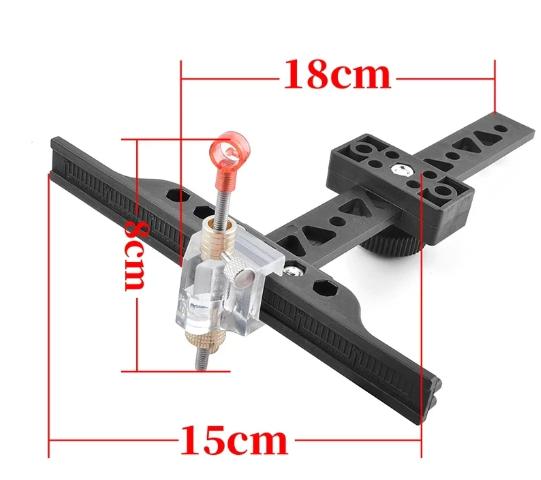
Several fixed fiber-optic pins, typically 3 to 7, set at 10-yard intervals such as 20, 30, 40 and 50. You pick the pin that matches the range – fast and reliable, which is why most hunters use them. The trade-off is a busier sight picture and gap-aiming between marked distances.
Single-Pin Adjustable Sights
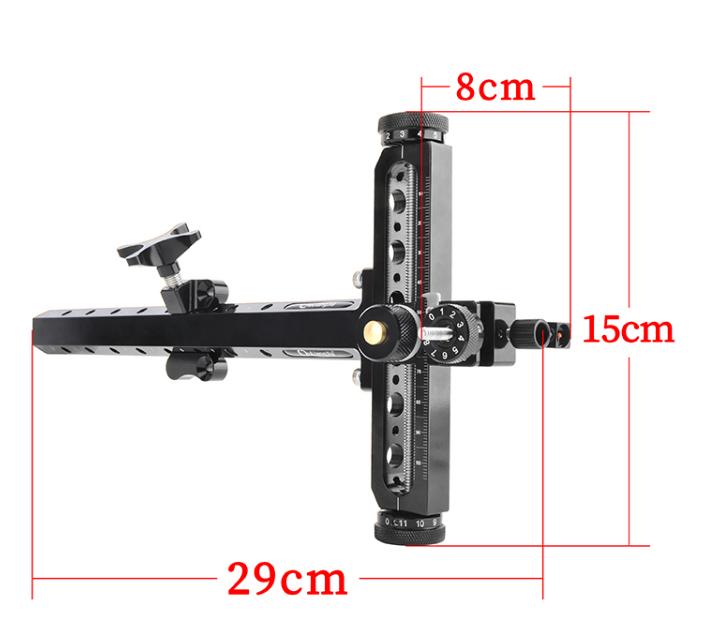
One pin on a movable bracket you dial to an exact yardage. The clean sight picture suits target archers and patient hunters, but you have to adjust before the shot – a real problem when an animal moves and you have already dialed 40.
Pin Diameter: The Spec Nobody Explains
Pin count is the spec on the box. Pin diameter is the one that changes what you see, and most buying guides skip it entirely.
The numbers refer to the fiber diameter in inches. The difference is bigger than it sounds: a .019 pin covers about 3.6 times the target area that a .010 pin covers. At 20 yards that is irrelevant. At 60 yards it is the difference between aiming at a spot and aiming at a general area.
| Pin size | Strength | Weakness | Best for |
|---|---|---|---|
| .029 | Brightest, easiest to pick up fast | Buries the target past 30 yards | Thick cover, very low light, close shots |
| .019 | Bright, durable, forgiving | Covers 3.6x the area of a .010 | The default – suits roughly 80% of hunters |
| .010 | Tournament-grade precision | Dim at dawn and dusk; more fragile | Target archery, and hunting past 50 yards |
A common setup on multi-pin sights is a hybrid stack: a .019 top pin that grabs your eye on a fast close shot, with .010 pins below it where precision starts to matter. If you are unsure, .019 across the board is the safe answer – Lancaster Archery’s breakdown of sight-pin sizing covers the trade-offs in more depth.
How Much Should You Spend?
You can walk out of a pro shop $300 lighter without ever being told what the extra money bought. Here is the map.
| Budget | What you get | Worth it if |
|---|---|---|
| Around $125 | A capable fixed multi-pin or basic single-pin, fiber-optic pins, usable micro-adjust | You shoot inside 40 yards – which is most people |
| $200-300 | Better machining, tool-less micro-adjust, brighter fibers, a sight that holds zero when knocked | You shoot a lot and your sight has drifted before |
| Around $400 | Sliding multi-pin with a marked yardage tape | You genuinely shoot both close and past 50 – it buys range, not group size |
The distinction that matters: money buys adjustability and durability, not accuracy. A $400 sight does not group tighter than a $125 sight at 30 yards. It survives being dropped, holds zero longer, and lets you reach further. If none of those are your problem, the extra $275 is better spent on arrows that actually match your setup.
The Sight Is Rarely Why You Are Missing
This is the part a shop has no incentive to tell you. If your groups are inconsistent at 30 yards, a new sight will almost never fix it. The usual culprits, roughly in order:
- Peep height and rotation – if you have to move your head to find the peep, nothing downstream is repeatable.
- Anchor point – a floating anchor moves your rear reference every shot, which no sight can correct.
- Arrow spine and rest timing – an arrow that leaves badly will not group no matter how fine the pin.
- Grip torque – twisting the riser at release throws shots left and right; a stabilizer helps, a sight does not.
- Then, and only then, the sight itself.
Work down that list before you spend. Our guide to shooting a compound covers anchor and release; Bowhunting.com’s overview of sight selection is a useful second opinion once you are confident the problem really is your sight.
What to Look For
- Pin diameter – .019 as the default; .010 only if you shoot long or shoot targets.
- Micro-adjustments – windage and elevation dials you can move in small, repeatable increments while sighting in.
- A level – a built-in bubble prevents canting, which throws shots sideways at distance.
- Pin count – 3 pins for simplicity, 5 for more marked distances, 7 only if you really shoot that far.
- Build quality – a rigid machined housing holds zero after a knock; a flexible one does not.
- Second- and third-axis adjustment – matters once you shoot steep uphill or downhill angles.
There are no affiliate links on this page. Prices are US market figures current in 2026 and they move – treat them as a starting point. Pair whatever you buy with a properly set peep sight, or the sight cannot do its job.
Frequently Asked Questions
Decide by distance, not by hunting versus target. Inside 30 yards a multi-pin is better because there is no time to dial. From 30 to 50 either works. Past 50 a single-pin or slider wins, because fixed pins stack together and a thick pin covers too much of the target at range.
.019 for most people. It is brighter in low light, more durable, and forgiving at normal hunting distances – it suits roughly 80% of hunters. Choose .010 if you shoot targets or take shots past 50 yards, and accept that it goes dim at dawn and dusk. A .019 pin covers about 3.6 times the target area of a .010.
Around $125 buys a capable sight for shots inside 40 yards, which covers most archers. $200-300 buys better machining and a sight that holds zero after a knock. Around $400 buys a sliding multi-pin. Spending more buys adjustability and durability, not tighter groups at 30 yards.
Usually not. If your groups are inconsistent at 30 yards, the cause is far more likely to be peep height, an inconsistent anchor, arrow spine or grip torque. A sight only shows you where you aimed – it cannot make your aim repeatable. Fix those first, then judge whether the sight is the limit.
Three pins – typically 20, 30 and 40 yards – suit most beginners and many hunters. Five add more marked distances. Seven only makes sense if you genuinely shoot that far, because every extra pin clutters the sight picture.
For consistent aiming, yes. The peep in the string is your rear reference; looking through it to align with your pins is what makes each shot repeatable. A sight without a peep is only half an aiming system. See our peep sight guide.
A pin lit by a strand of fiber optic that gathers ambient light so it glows in low light. Thicker fiber gathers more light and is brighter but covers more of the target; thinner fiber is more precise but dimmer. Some sights add a battery light for very dim conditions.
Submit the Form to Get Our Product Catalog
What We Can Offer
- ✅ Low MOQ – from 1 piece, no minimum order
- ✅ Full customization – names, initials, club crests & team logos
- ✅ Mockup before production – see it before we make it
- ✅ Production time about 2 weeks after mockup approval
- ✅ Free remake on defects within 14 days of delivery
We reply to every inquiry within 1 business day.
Email: [email protected]
WhatsApp: +1 770 157 5807
Keep Reading
Peep Sights
Sizing to your sight housing, fixing rotation at the string rather than the peep, and setting height correctly.
Peep SightsArrow Rests
Drop-away vs containment vs blade rests, and the exact timing window that keeps a drop-away from clipping fletching.
Arrow RestsBow Accessories Guide
The order you buy accessories in decides what you pay twice for – draw length first, stabilizer last.
Bow Accessories Guide