
Cutting, fletching and tuning at home saves real money – but only if you buy in the right order. Here is what a working bench actually costs at three budget levels, which tool most archers waste money on, and how to tell if you have ruined a shaft.
Quick answer
The core archery tools most shooters end up owning are an arrow saw or cutter (to cut shafts to length), a fletching jig (to attach vanes or feathers), an arrow puller, and – for compound shooters – a bow press for string and tuning work. If you only buy one tool, make it a way to cut arrows accurately: correctly cut shafts are the foundation of an accurate, well-tuned setup.
Fletchwise guides are independent and hype-free – we are not sponsored by any archery brand.
What a Home Arrow Bench Actually Costs
Nobody selling tools will tell you a number, so here it is. Three realistic tiers, and you do not have to start at the top – the bow press at the bottom of this table is the most over-bought tool in archery.
| Setup | What you buy | Rough cost |
|---|---|---|
| Bare minimum | Bow square and an arrow puller. Let a shop cut your shafts. | Under $40 |
| Build your own arrows | Add an entry fletching jig, an arrow saw or cutter, plus glue and inserts | About $250-300 |
| Full bench | Add a squaring tool and a bow press | $700 and up |
US street prices as of 2026, and they move around. Treat them as a planning range, not a quote. Budget a little extra for consumables – cut-off wheels, glue and inserts are the costs people forget.
Buy in this order: bow square and puller first (you will use them every week). A way to cut arrows next, once you are shooting enough that shop trips annoy you. A fletching jig when you have your first peeled vane. A squaring tool when you start caring about groups past 40 yards. A press last, or never.
Most archers do not build a bench because it is a fun project. They build one because the nearest pro shop is an hour away and booked out for a week, or because they added up what pre-cut, pre-fletched arrows cost them last season. Both are good reasons. Neither is a reason to buy all five tools at once.
Why Own Your Own Archery Tools?
Buying pre-cut, pre-fletched arrows works at first, but it gets expensive and limits your tuning. Cutting your own shafts to your exact draw length, choosing your own vanes, and being able to repair arrows in your garage saves money over time and gives you full control over your setup. Tools also let you fix problems on the spot instead of shipping a bow back to the shop.
Essential Archery Tools
Arrow Saws & Cutters
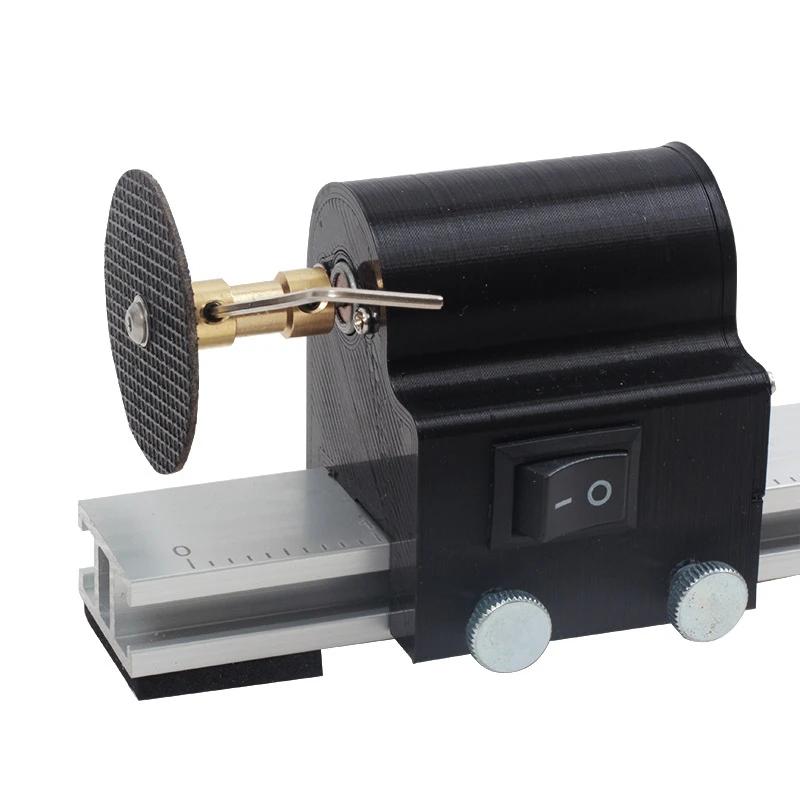
Carbon and aluminum arrows must be cut to length cleanly and squarely. A powered arrow saw gives the cleanest, most repeatable cuts, while a manual arrow cutter is a cheaper option for occasional trimming. Never cut carbon shafts with a regular hacksaw – it splinters the carbon.
Names that come up most often in shooter forums: Carbon Express and Modsaw for dedicated saws. Expect roughly $150-200, and budget for spare cut-off wheels – the blade in the box is rarely the one you keep using.
Fletching Jigs
A fletching jig holds vanes or feathers at a precise, repeatable angle while the glue sets, so every arrow flies the same. Essential if you want to fletch or re-fletch your own arrows.
Names that come up most often: the Bitzenburger is the long-running standard, with Bohning’s Cauldron, Decut and OMP jigs all widely used. A usable jig starts around $40, so this is the cheapest tool on the list to get into.
Arrow Pullers
A simple rubber puller gives you grip and protects your fingers when removing arrows from dense targets.
Bow Press (Compound)
A bow press safely flexes a compound bow’s limbs so you can change strings and cables or adjust the cams. It is the one tool that makes serious compound maintenance possible at home – and the one worth doing the math on before you buy, because on string changes alone a press rarely pays for itself.
Presses from established brands generally start around $400. You will also see $30 clamp-style presses online. The problem with those is not the price, it is whether they load the limbs evenly – see the FAQ below before you buy one.
Bow Square & Tuning Gear
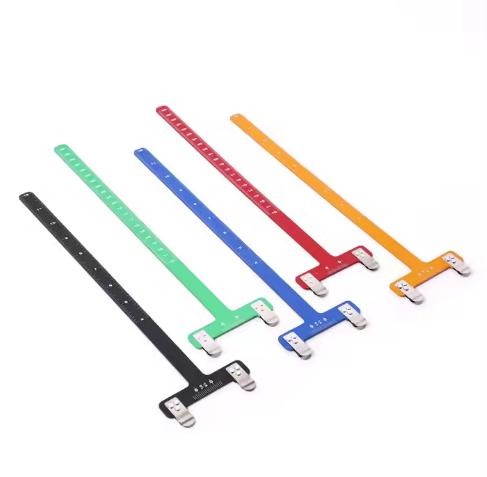
A bow square sets nocking point and tiller; combined with other tuning tools, it dials in arrow flight.
How to Tell if You Ruined a Shaft
This is the part that worries people the first time they cut their own arrows, and it should. A carbon shaft with a hidden crack can fail on release and put fragments through your bow hand. Checking takes about ten seconds per arrow.
Flex and listen. Hold the shaft at both ends, flex it gently into a slight bow, and rotate it a full turn while you listen. A sound shaft is silent. A damaged one crackles or ticks. If you hear anything, it is done – do not shoot it.
Run a cotton ball down it. Drag a cotton ball or cotton swab along the whole length. It snags on splinters and hairline cracks your eye will miss, especially near the cut end.
Look at the cut itself. A good cut is square and smooth. Fuzzing, splintering or a frayed rim means the blade grabbed rather than ground – usually a worn cut-off wheel, a hacksaw, or feeding too fast.
When in doubt, bin the shaft. A replacement carbon arrow costs a few dollars. That is not a trade worth thinking about twice.
| Tool | What it does | Do you need it? | Skip it if… |
|---|---|---|---|
| Bow square / T-square | Sets nocking point & tiller | Yes – basic tuning | Never skip it. It is about $15 and you will use it constantly. |
| Arrow saw / cutter | Cuts arrows to your exact length | Yes if you build arrows | You shoot one dozen arrows a year. A shop will cut them for a few dollars. |
| Fletching jig | Glues vanes/feathers straight | Only if you fletch your own | You have never had a vane peel off. Wait until you do, then buy one. |
| Arrow squaring tool | Squares insert & shaft ends | Nice-to-have for accuracy | You are shooting inside 40 yards. You will not see the difference yet. |
| Bow press | Safely relaxes the limbs for string/cam work | Only for compound string work | You change strings less than twice a year. This is the most over-bought tool in archery. |
Don’t buy a bow press you won’t use
A bow press is the most over-bought archery tool. Unless you are regularly changing your own strings, cams, or modules on a compound, you do not need one – a local shop press job costs a few dollars. Start with the cheap essentials (a bow square and an arrow cutter) and add specialty tools only when a real job demands them.
One thing nobody warns you about
Once you start cutting your own shafts, your arrows stop being a standard length. Most off-the-shelf hip quivers are built around full-length factory arrows, so a set of short, heavily-fletched hunting shafts rattles around in one and the fletching drags on the way out. That is the point where a lot of people go looking for a quiver built to their own setup. We make made-to-order quivers, bow bags and arm guards for exactly this – one piece minimum, so a single archer and a 24-strong school squad get the same answer, in roughly two weeks.
Frequently Asked Questions
What tools do I need to set up a compound bow at home?
At minimum: a bow square to set your nocking point, an Allen-key set for the accessories, and an arrow cutter if you build your own arrows. A bow press is only needed for string, cam, or module changes – most beginners have a shop handle those.
Can I cut my own arrows?
Yes, with an arrow saw or a dedicated arrow cutter – never a regular hacksaw, which frays carbon. Measure to your correct draw length, cut, then square the ends. Cutting your own lets you tune arrow spine and save money on custom lengths.
What tools do I need to make my own arrows?
At minimum: an arrow saw or cutter to cut shafts to length, a fletching jig to attach vanes, glue, and inserts/points. A squaring tool helps ensure clean, square cuts for better accuracy.
Can I cut carbon arrows without a special saw?
You should not use a standard hacksaw – it splinters carbon fiber. Use a dedicated arrow saw (a high-speed abrasive cut-off wheel) or a rotary tool with a cut-off disc, and always wear a mask to avoid carbon dust.
Do I need a bow press?
Only for compound bows, and only if you plan to change strings or do your own tuning. Recurve and longbow shooters do not need one. Many compound owners leave press work to a shop until they are confident.
How much does it cost to start building your own arrows?
Around $250-300 gets you a working setup: an entry fletching jig from about $40, an arrow saw or cutter at roughly $150-200, plus glue, inserts and points. You can start much cheaper – a bow square and an arrow puller run under $40 together, and a shop will cut your shafts for a few dollars until the trips get annoying. Remember consumables: cut-off wheels, glue and inserts are the costs most people leave out of the budget.
Are cheap bow presses safe?
Some are, plenty are not, and the price tag is not what decides it. What matters is whether the press loads both limbs evenly and holds under full deflection – a press that slips with a compound under load can wreck the bow and injure you. Be especially careful with generic clamp-style presses and past-parallel limb bows, which need a press designed for that limb geometry. Presses from established brands generally start around $400. If you are looking at a $30 press, that gap is the reason.
How do I know if I cracked a carbon shaft while cutting it?
Flex the shaft gently and rotate it a full turn while listening – a sound shaft is silent, a cracked one crackles or ticks. Then run a cotton ball along the length; it snags on splinters and hairline cracks you cannot see, particularly near the cut. Fuzzing or a frayed rim at the cut end means the blade grabbed instead of grinding, usually from a worn cut-off wheel or feeding too fast. If anything looks or sounds wrong, throw the shaft away rather than shoot it.
Submit the Form to Get Our Product Catalog
What We Can Offer
- ✅ Low MOQ – from 1 piece, no minimum order
- ✅ Full customization – names, initials, club crests & team logos
- ✅ Mockup before production – see it before we make it
- ✅ Production time about 2 weeks after mockup approval
- ✅ Free remake on defects within 14 days of delivery
We reply to every inquiry within 1 business day.
Email: [email protected]
WhatsApp: +1 770 157 5807