
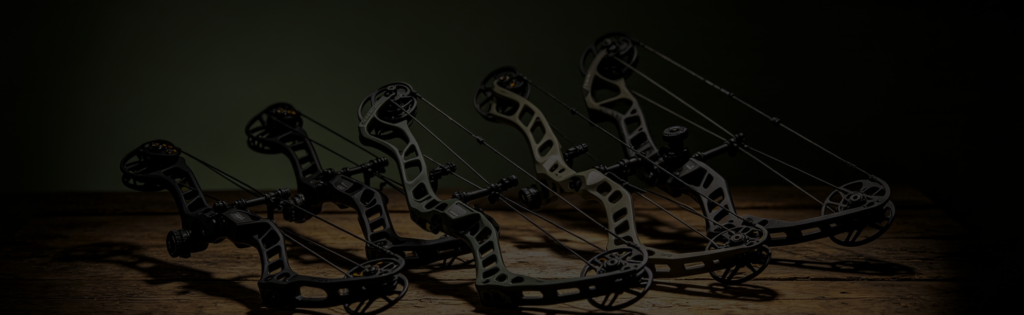
The best compound bow is the one matched to your draw length, a draw weight you can control, and your intended use – not the one with the highest advertised speed. For beginners, prioritize an adjustable bow with a wide draw-length and draw-weight range so it grows with you. For hunting, prioritize a quiet, forgiving, compact bow. For target, prioritize a longer axle-to-axle bow for a steady hold. Brands like Bear, Diamond, and PSE are popular starting points, but fit beats brand every time – see our brand comparison for how the major makers are actually positioned.
Fletchwise guides are independent and hype-free – we are not sponsored by any archery brand.
What Actually Makes a Compound Bow "Best"
Marketing pushes arrow speed, but speed is near the bottom of what makes a bow shoot well for you. The bows that win in the real world are the ones that fit your draw length exactly, sit at a draw weight you can pull smoothly, and feel forgiving on release. A perfectly fitted 320 fps bow will out-shoot a poorly fitted 350 fps bow every time.
The Specs That Decide It
- Adjustability – a wide draw-length and draw-weight range means one bow fits more shooters and grows with a beginner. The single most valuable feature for a first bow.
- Draw length fit – the bow must be set to your exact draw length to shoot well.
- Draw weight you control – 40-50 lbs suits most adult beginners; 55-70 lbs for experienced hunters.
- Brace height – higher (7″+) is more forgiving; lower is faster but punishes form errors.
- Axle-to-axle – shorter for hunting maneuverability, longer for target steadiness.
- Let-off – 80-90% for an easy hold while aiming.
"Adjustable" Means Very Different Things - Check the Actual Numbers
Every listing says adjustable. The word is doing almost no work until you know which kind of adjustable it means, because the range behind it varies enormously.
- Limb-bolt adjustment (the standard on most bows) typically moves draw weight by around 10 lbs total – enough to fine-tune, not enough to grow a beginner from a light starting weight into a hunting-ready one.
- Module-based systems, built specifically for beginners, youth and growing archers, can span as much as 50 lbs of draw weight and up to roughly 13 inches of draw length on a single bow, by swapping or repositioning a module on the cam rather than touching the limbs at all.
That difference is the whole reason a true beginner package is worth paying for over a bow that merely claims to be adjustable: a 10 lb window means you outgrow it within a season, while a wide module range is what actually lets one bow serve a growing kid or a new adult archer for years. When you are looking at a listing, find the specific weight and length range the module supports – not just the word "adjustable" – and confirm the bow ships with (or a shop can install) the module position that matches your draw length, since the module has to be set to a specific mark rather than floating anywhere in the range.
Best Compound Bow by Use Case
Best for Beginners & Growing Archers
Look for a highly adjustable “ready-to-shoot” package that covers a wide draw range and includes a sight, rest, and quiver. These let a new archer (or a growing youth) learn without buying a new bow each year. See our best compound bows for beginners guide.
Best for Hunting
Prioritize a quiet, compact, forgiving bow in the 28-32″ axle-to-axle range with enough draw weight for your game. Smoothness and silence matter more than top speed in the field.
Best for Target & 3D
A longer axle-to-axle bow (33″+) with a higher brace height holds steadier and is more forgiving over a long shooting session.
Best for Youth & Smaller Frames
Choose a bow that adjusts down to short draw lengths and low draw weights. See our youth and kids compound bows guide.
Best for Women & Shorter Draw Lengths
Most women shoot in the 24-27 inch draw-length range, shorter than the 28-30 inch range many “standard” listings assume. See our compound bows for women guide for what that actually rules out and what to check before you buy.
Best for Left-Handed Shooters
Handedness is set by your dominant eye, not your dominant hand – and if you are left-handed, it is closer to a coin flip than a certainty which bow you actually need. See our left-handed compound bows guide for how to test eye dominance before you buy.
The Best Value Bow Is Often Not a New One
A roundup page is supposed to point you at new gear, so this gets left out more than it should: compounds lose value fast on the used market, and last year’s flagship at a used price frequently out-shoots this year’s entry-level new bow at the same money. The catch is that a used bow needs a real inspection – cam timing, string and cable condition, and whether it can even be set to your draw length – which is exactly the kind of thing a listing photo will not tell you. Our buying a used compound bow guide covers the checklist and the red flags before you hand over cash.
The Bow Price Is Not the Total Price
Reviews built around a $700-1,500 flagship bow test never mention what it costs to make that bow shootable. A compound needs five accessories before you can send an arrow with any consistency: an arrow rest, a sight, a release aid, a D-loop, and a peep sight. Budget parts run roughly $115-215 for that set; mid-range components run $310-560. That is on top of the bow, every time – a bare riser and limbs cannot be aimed or fired safely.
Order matters as much as brand here: draw length has to be settled before the D-loop and release go on, the rest has to be set before you sight in, and the peep has to be sized to the sight you already own. Buy the set in the wrong order and you will pay to redo at least one piece. Our bow accessories guide covers what to buy first and what it actually costs.
Ready-to-Shoot Package or Build Your Own?
For a true beginner, a ready-to-shoot package is the better math, not just the easier one: a sight, rest, quiver and stabilizer bundled at the factory typically cost less together than buying the same four items separately, and they arrive already fitted to that bow. The catch is quality, not price – bundled accessories are usually entry-grade, and most archers who stick with the sport end up replacing at least the sight and rest within a season or two.
That trade-off flips once you already know you are staying in the sport: accessories transfer between bows, but a bow does not transfer into being a different bow. Some experienced archers deliberately buy the cheaper bow and put the difference into a better rest and sight instead – gear that will still be on their next bow. If this is your first setup and you are not sure archery will stick, take the package. If you already know it will, spend on the parts that follow you, not the riser.
What to Avoid
Skip buying purely on advertised speed, buying a draw weight you cannot pull smoothly, and buying a fixed-draw-length bow that does not fit you. Avoid no-name bows with no spare parts or string support – a bow you cannot service or tune is a dead end.
We are building out hands-on picks as our shop launches. Until then, use the criteria above with a local pro shop that can measure your draw length and let you test-pull bows – it is the best way to find your “best” bow.
Frequently Asked Questions
The best value is usually a highly adjustable ready-to-shoot package that fits a wide range of draw lengths and weights, so it serves you for years. Prioritize adjustability and a quality string over top-end speed.
Not necessarily. A well-fitted, forgiving bow you can hold steady will out-shoot a faster bow that does not fit you. Speed matters far less than draw-length fit, a controllable draw weight, and good form.
Most adult beginners do well at 40-50 lbs, ideally on an adjustable bow so they can start lower and build up. Choose a weight you can draw smoothly and hold under full control.
If you are new, a pro shop is worth it – they measure your draw length, set the bow up, and let you test-pull. Once you know your exact specs, buying online becomes much safer.
Depends which kind of adjustable it is. Standard limb-bolt adjustment typically moves draw weight by around 10 lbs total – fine for tuning, not enough to grow with a beginner. A true beginner or youth package uses a module-based system that can span as much as 50 lbs of draw weight and up to roughly 13 inches of draw length on one bow. When comparing listings, find the specific range the module supports rather than trusting the word adjustable on its own, and confirm the module can be set to your exact draw length.
Often, yes on pure performance per dollar – compounds depreciate quickly, so a used higher-tier bow frequently outperforms a new budget bow at a similar price. The trade-off is that a used bow needs real inspection rather than trusting a listing photo: cam timing, string and cable condition, and whether it can be set to your draw length at all. See our used compound bow guide for the checklist before you buy.
Plan on another $115-215 for a budget arrow rest, sight, release aid, D-loop and peep sight, or $310-560 for mid-range parts – a bare bow cannot be aimed or fired safely. Buy them in the right order (draw length, then rest, then sight, then peep) or you will end up paying to redo a piece. See our bow accessories guide for the full breakdown.
For a first bow, the package is usually the better deal, not just the easier choice – a bundled sight, rest, quiver and stabilizer typically cost less together than buying the same four items separately, and arrive already fitted. The trade-off is quality: bundled accessories are usually entry-grade, and many archers replace the sight and rest within a season. If you already know you are sticking with archery, some experienced shooters buy the cheaper bow and spend more on accessories instead, since accessories transfer to your next bow but the riser does not.
Submit the Form to Get Our Product Catalog
What We Can Offer
- ✅ Low MOQ – from 1 piece, no minimum order
- ✅ Full customization – names, initials, club crests & team logos
- ✅ Mockup before production – see it before we make it
- ✅ Production time about 2 weeks after mockup approval
- ✅ Free remake on defects within 14 days of delivery
We reply to every inquiry within 1 business day.
Email: [email protected]
WhatsApp: +1 770 157 5807
Keep Reading
Best for Beginners
Why target panic is largely a gear choice, and the fit and adjustability checklist for a first bow.
Best for BeginnersBest Youth & Kids Bows
Adjustable draw-length models and the fitting checklist that keeps a kid from outgrowing a bow in one season.
Best Youth & Kids BowsCompound vs Recurve
The real tradeoffs beyond traditional vs modern – let-off, cost, learning curve and what each teaches you.
Compound vs Recurve