
Bow-mounted, hip, back or field – the four styles are not really competing with each other, they suit different days out. Here is how they compare, what an expensive quiver does and does not buy you, and how to stop arrows rattling out of the one you already own.

Quick answer
An arrow quiver holds and protects your arrows. The four main types are bow-mounted (attaches to the bow, best for hunting), hip (worn on the belt, the target and 3D archery standard), back (worn over the shoulder, traditional and field use), and field/ground (a tube that stands beside you). Hunters usually want a bow-mounted quiver that grips broadheads safely; target archers prefer a hip quiver for quick, organized access. Choose by where you shoot and how many arrows you carry.
Fletchwise guides are independent and hype-free – we are not sponsored by any archery brand.
The Main Types of Quiver
Bow-Mounted Quiver
Attaches directly to the bow’s riser and carries your arrows with you at full draw – ideal for hunting, where you cannot set arrows down. Hunting versions have a hood that grips and covers broadheads safely. The trade-off is added weight and bulk on the bow, and because it hangs off one side, it can roll the bow sideways at full draw – a back bar is the usual fix for that imbalance.
Hip Quiver
Worn on a belt at your side, the hip quiver is the standard for target and 3D archery. Arrows are fast to grab and easy to keep organized, and many models add pockets for a release, pencil, and scorecard. Not ideal for carrying broadheads.
Hip and field quivers get confused constantly, and the difference matters more than it looks – one is built to be walked with, the other to stand still at a shooting line. We pull them apart properly in hip quiver vs field quiver.
Back Quiver
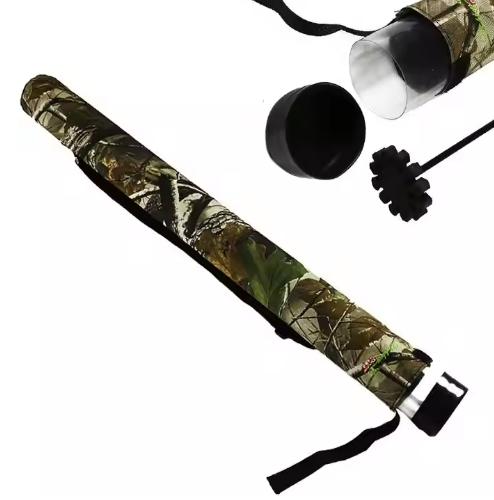
Slung over the shoulder, the back quiver is the classic traditional look and keeps arrows out of the way while walking. It is popular with longbow and traditional shooters, though arrows can rattle and are slightly slower to draw than from a hip quiver.
Two things people find out after buying one. Walking through brush, the arrows catch on branches and work their way loose – the most common complaint you will read from anyone who has actually hunted with one. And plenty of clubs will not let you shoot a back quiver in competition, even though it is fine for casual practice. If you are buying one to use at your club, check the club rules first rather than after.
Field / Ground Quiver
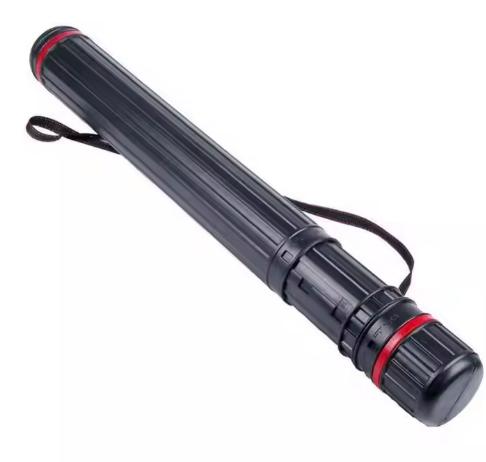
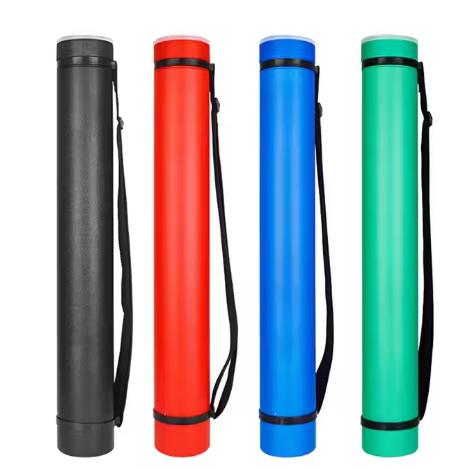
A tube or stake that holds arrows upright beside you at the shooting line. Common at ranges and for practice, it keeps arrows clean and within easy reach but is not made to be carried while shooting.
How to Choose a Quiver
- Match it to your discipline. Hunting: bow-mounted. Target/3D: hip. Traditional/field: back or ground.
- Check broadhead safety. If you carry broadheads, choose a quiver with a covered, gripping hood that locks the blades away from your hands.
- Count your arrows. Quivers hold anywhere from 3-4 up to a dozen or more. Buy capacity for how you actually shoot.
- Consider noise and security. For hunting, look for foam grippers that silence arrows and hold them firmly during a stalk.
- Think about extras. Pockets for a release, tags, and tools add real convenience for target archers.
What an Expensive Quiver Actually Buys You
This comes up constantly, and the honest answer is not the one a product page will give you: a $150 quiver will not make you shoot better scores than a $30 one. Nobody has ever lost a point because their quiver was cheap.
What the money does buy is durability and quiet. Budget bow-mounted quivers can get crushed, they rattle more, the mounting bracket flexes so the quiver shifts against the riser, and the foam grippers give up sooner. On a hip quiver you are paying for stiffer tubes that hold their shape, belt hardware that does not sag when loaded, and stitching that survives being dumped in a car boot every weekend.
So buy the cheap one first if money is tight. You will find out quickly whether the thing that annoys you is noise, capacity, or the belt – and then you will know what you are actually paying to fix.
Stopping Arrows Falling Out or Rattling
This is the single most common quiver complaint, and it is usually not the quiver’s fault. Work through it in this order before you buy a replacement.
Check the gripper foam. On bow-mounted quivers the foam holds the arrows, and it packs down and fills with grit over a season. Pick the debris out and the grip often comes back. When the foam has gone hard and shiny, it is done – most quivers take a replacement insert for a few dollars.
Seat the arrows properly. Half-seated arrows work loose the moment you start walking. Push each one home until the nock or shaft is fully into the gripper.
Fill the gap in an oversized tube. If you shoot skinny target shafts in a tube sized for hunting arrows, they will rattle no matter what. Archers solve this with a rolled sheet of packing foam pushed down the tube, or with magnets set into the base of the tube to hold carbon shafts still. Both are common home fixes and both work.
Then look at the quiver. If arrows still shift after all that, the tube is simply too wide or too short for the arrows you shoot, and that is the point where a different quiver is the right answer.
Quiver Tips
Whatever type you choose, make sure broadheads are always covered and gripped, never exposed. Keep arrows seated fully so they do not fall out on the move, and clean grit out of the gripper foam periodically so it keeps holding arrows tight.
| Quiver type | Mounts | Best for | Capacity |
|---|---|---|---|
| Bow-mounted | On the riser | Bowhunting – arrows stay with the bow | 3-7 arrows |
| Hip quiver | On your belt | Target & 3D range – fast access | Many |
| Back quiver | Over the shoulder | Traditional, instinctive, roving | Many |
| Field quiver | On the belt, angled | Competitive target lines | Many + tab/tools |
Broadheads need a hooded quiver
If you carry broadheads, use a quiver with a closed hood that fully covers the blades – an exposed broadhead in a quiver is a serious cut hazard when you reach for an arrow. For field points on the target range, an open quiver is fine. Match the quiver to what you shoot, not just to looks.
If you want your name or club on it
The request we see most often is not a fancier quiver, it is a plain one with something on it – a name, a club crest, team colours, or a quiver and arm guard that match. That is awkward to buy, because embroidery shops want bulk and archery shops do not do embroidery at all.
We do made-to-order quivers, bow bags and arm guards on stocked blanks, so the minimum is genuinely one piece – a single archer and a 24-strong school squad get the same answer. Blanks come in black, blue, red and camo, and production runs about two weeks once the artwork is signed off.
Frequently Asked Questions
Are hip quivers or back quivers better?
Neither is universally better – it depends on use. Hip quivers give fast, quiet access on a target or 3D range. Back quivers hold many arrows for traditional roving and look classic but rattle more. For hunting, a bow-mounted quiver keeps arrows silent and with the bow.
What size quiver do I need?
Match capacity to your shooting: 3-5 arrows is plenty for hunting, while target and 3D archers often want 6+ plus room for a tab, tools, and a scorecard. For broadheads, prioritize a full hood over capacity.
What type of quiver is best for hunting?
A bow-mounted quiver is best for hunting because your arrows stay with the bow and you cannot set them down in the field. Choose one with a hood that fully covers and grips broadheads for safety.
What quiver do target archers use?
Most target and 3D archers use a hip quiver worn on the belt. It gives fast, organized access to arrows and often includes pockets for a release, scorecard, and tools.
How many arrows does a quiver hold?
It varies by type – hunting bow quivers often hold 4-6 arrows, while hip and back quivers can hold a dozen or more. Pick a capacity that matches how many arrows you shoot in a session.
Can you carry broadheads in any quiver?
No. Broadheads should only go in a quiver with a covered hood that grips and protects the blades. Hip and back quivers without a broadhead hood are meant for field points or arrows already tipped for target use.
Why are bow quivers so expensive?
You are paying for materials, rigid mounting and quiet, not for accuracy – a costly quiver will not improve your scores. Premium bow quivers use lighter, stiffer materials, brackets that do not let the quiver shift against the riser, and better foam that grips arrows silently on a stalk. A cheap quiver does the same core job but is more likely to rattle, flex or get crushed. If budget is tight, start cheap and upgrade once you know which of those things actually bothers you.
Can I use a back quiver in competition?
Often not. Back quivers are fine for casual practice and traditional roving, but many clubs and target competitions restrict them, and hip or field quivers are the accepted standard on a shooting line. Rules vary between clubs and governing bodies, so check with your club before buying a back quiver you intend to compete with.
Can I get a quiver with my name or club logo on it?
Yes, though most archery shops do not offer it and most embroidery shops want a bulk order. We embroider names, club crests and team lettering onto stocked quiver, bow bag and arm guard blanks, with a minimum of one piece, blanks in black, blue, red or camo, and roughly two weeks of production once the artwork is approved.
Submit the Form to Get Our Product Catalog
What We Can Offer
- ✅ Low MOQ – from 1 piece, no minimum order
- ✅ Full customization – names, initials, club crests & team logos
- ✅ Mockup before production – see it before we make it
- ✅ Production time about 2 weeks after mockup approval
- ✅ Free remake on defects within 14 days of delivery
We reply to every inquiry within 1 business day.
Email: [email protected]
WhatsApp: +1 770 157 5807
Keep Reading
Arrows & Broadheads
Spine, grain weight and FOC explained as one system – and why cutting a shaft is the step you cannot undo.
Arrows & BroadheadsBow Cases Guide
Sizing by cam edge to cam edge (not axle-to-axle), hard vs soft, and the real airline rules most guides get wrong.
Bow Cases GuideHip vs Field Quiver
Hip vs field quivers – which one dumps your arrows the moment you bend over, and which never does.
Hip vs Field Quiver